
The Analog Hobby Investment Guide
Analog hobbies are experiencing renewed interest as many people look for activities that encourage focus, creativity, and time away from screens.
Whether it is film photography, painting, woodworking, knitting, or journaling, these hands-on pursuits can support mental well-being while providing a sense of accomplishment. Investing in an analog hobby is less about buying expensive equipment and more about choosing activities that fit your interests and lifestyle.
Choose a Hobby That Fits Your Routine
The best hobby is one you can realistically maintain. Consider how much time, space, and money you are comfortable dedicating before making purchases. Some hobbies require only a few basic tools, while others involve specialized equipment and ongoing supply costs.
Starting with beginner-friendly materials allows you to build skills before investing in premium equipment. As your interest grows, you can gradually upgrade based on experience rather than impulse purchases.
Balance Cost With Long-Term Value
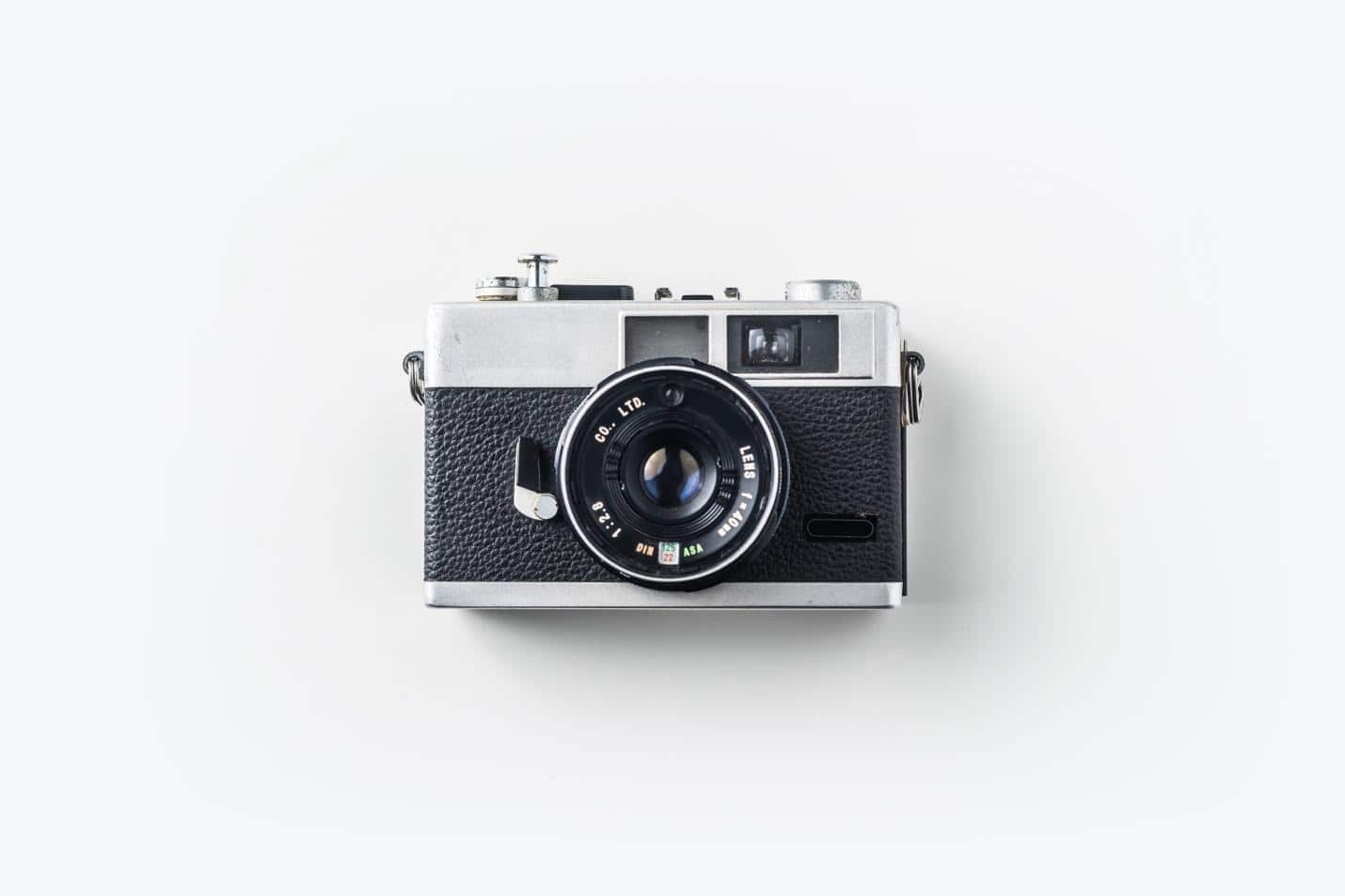
Many hobbies offer opportunities to purchase quality equipment without paying full retail prices. For example, photographers exploring film or digital photography often browse a used camera marketplace to find well-maintained equipment that fits their budget. Taking time to research products, compare features, and inspect condition helps buyers make informed decisions.
The same principle applies to musical instruments, crafting tools, and other hobby equipment. Quality items that have been properly cared for can provide years of reliable use.
Support Mental Well-Being
Analog hobbies encourage sustained attention and creative expression without constant digital interruptions. Activities that involve repetitive hand movements, creative problem-solving, or artistic expression may help reduce everyday stress and promote relaxation for many individuals.
Hobbies also create opportunities to develop new skills, connect with local communities, and establish healthy routines outside of work. Completing projects, regardless of their size, can contribute to a greater sense of personal satisfaction and motivation. Maintaining realistic expectations is important because hobbies are intended to provide enjoyment rather than become another source of pressure.
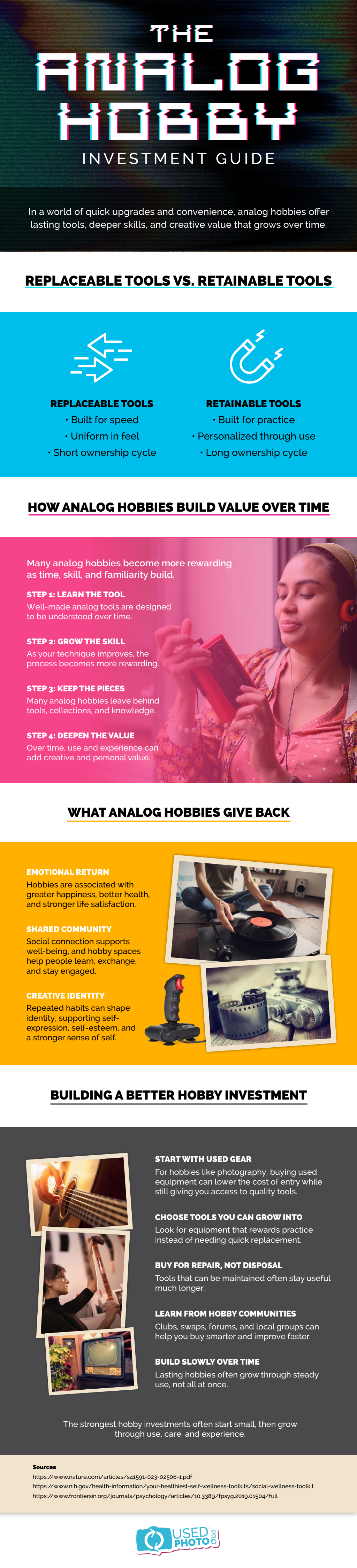
Investing in an analog hobby means investing in your long-term well-being and personal growth. Choosing activities that fit your schedule, purchasing equipment thoughtfully, and focusing on the enjoyment of learning creates a rewarding experience that can last for years. Whether your goal is creativity, relaxation, or learning a new skill, a well-chosen analog hobby can become a valuable part of a balanced and healthy lifestyle. Look over the infographic below to learn more.





Really impressed with the variety of options available here. The bonuses are fair and the customer support is actually helpful. Glad I found 668betapp.