
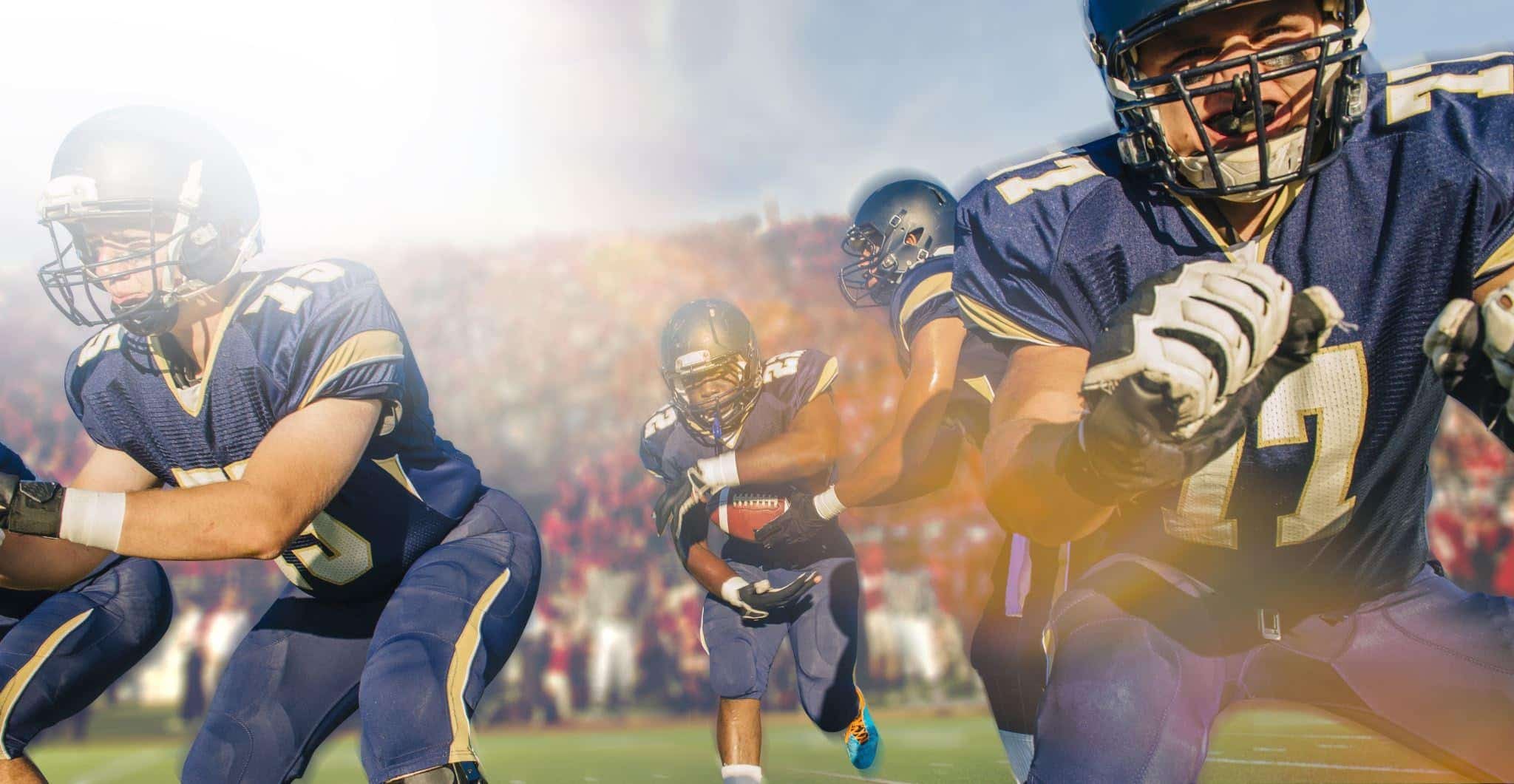
The Reality of Concussions in Sports
Concussions are one of the most common injuries in sports, especially in activities that involve contact, fast movement, or falls.
Football, hockey, soccer, basketball, and wrestling all carry concussion risk at both youth and professional levels. Even sports that seem lower impact can still lead to head injuries during collisions or accidental falls.
Why Concussions Happen So Often
Sports place athletes in situations where quick movement and physical contact happen constantly. Collisions with other players, hard surfaces, equipment, or sudden stops can all cause the brain to shift forcefully inside the head.
Young athletes may face additional risk because their brains are still developing. Players sometimes continue participating after a hit because symptoms seem mild at first. This can increase the chance of further injury before the brain fully recovers.
Protective equipment helps reduce certain injuries, though no helmet completely prevents concussions. Proper fit still matters because loose or incorrect gear may reduce protection during impact. Parents often focus on helmet sizing while overlooking other equipment details, such as checking a hockey glove size chart for proper overall fit and mobility during play.
Common Signs and Symptoms
Concussion symptoms vary from person to person. Some athletes lose balance or appear confused immediately after impact, while others develop symptoms later.
Headaches, dizziness, nausea, blurred vision, sensitivity to light, and difficulty concentrating are all common warning signs. Mood changes, fatigue, and memory problems may also appear during recovery.
Children and teenagers sometimes struggle to describe symptoms clearly. Coaches, parents, and teammates should pay attention to unusual behavior after hard impacts during games or practices.
Recovery Requires Time
Rest plays a major role in concussion recovery. Returning to sports too quickly may increase the risk of longer recovery periods or additional brain injury.
Doctors often recommend limiting physical activity, screen time, and mentally demanding tasks during early recovery stages. Athletes usually return gradually through supervised activity plans once symptoms improve.
Recovery timelines vary widely. Some people feel better within days, while others experience symptoms for weeks or longer.
Prevention and Awareness Matter
Sports organizations continue placing greater focus on concussion education and safety protocols. Coaches and trainers now receive more guidance on identifying symptoms and removing athletes from play after possible head injuries.
Rule changes in some sports also aim to reduce dangerous contact during games and practices. Teaching proper technique, encouraging honest symptom reporting, and creating safer training environments may help reduce injury rates over time.
Concussions remain common across many sports, particularly in activities involving physical contact or rapid movement. Recognizing symptoms early and allowing proper recovery time are important steps in protecting long-term brain health. Check out the infographic below to learn more.




What a helpful and well-structured post. Thanks a lot!
Üsküdar Duvar İçi Su Kaçağı Tespiti Termal kamera ile yapılan tespit doğru çıktı. https://profit.pakistantoday.com.pk
The discussion on concussions highlights critical risk management. It underscores that recovery, whether physical or cognitive, requires structured, gradual progression. This principle of controlled risk scaling is vital, not just in sports medicine, but also in optimizing user experience across complex digital platforms, like finding the right Arion Plus slot balance. Great insight!
Üsküdar Su Kaçağı Tespiti Fiyatları Üsküdar’taki evimizde aylardır artan su faturasının sebebini buldular. Çok profesyoneller, kesinlikle tavsiye ederim. https://cit.edu.np
Üsküdar Su Kaçağı Tespiti Kırmadan kaçak bulma hizmeti sayesinde evim zarar görmedi. https://profit.pakistantoday.com.pk
Üsküdar Uygun Fiyatlı Su Kaçağı Tespiti Online destek hattı çok faydalı, hemen bilgi alabildim. https://elbvisio.de/
Üsküdar Su Sızıntısı Tespiti Müşteri memnuniyeti odaklı çalışıyorlar, belli oluyor. https://shorturl.at/7OUy2
Üsküdar Su Kaçağı Tamiri Üsküdar’ta su kaçağı tespiti konusunda işlerini biliyorlar. https://ptatmb.com/
All the best
Pak Goat Hi there to all, for the reason that I am genuinely keen of reading this website’s post to be updated on a regular basis. It carries pleasant stuff.
Kadıköy Garantili Su Kaçağı Tespiti Radyatör boru kaçağını kış gelmeden tespit etmeleri çok iyi oldu. https://vopnucity.com/
Kadıköy Banyo Su Kaçağı Tespiti Gayrettepe’deki ofisimizde tuvalet rezervuarından kaçak vardı. Hızlı ve temiz çalıştılar. https://propertyprepcanada.com/