
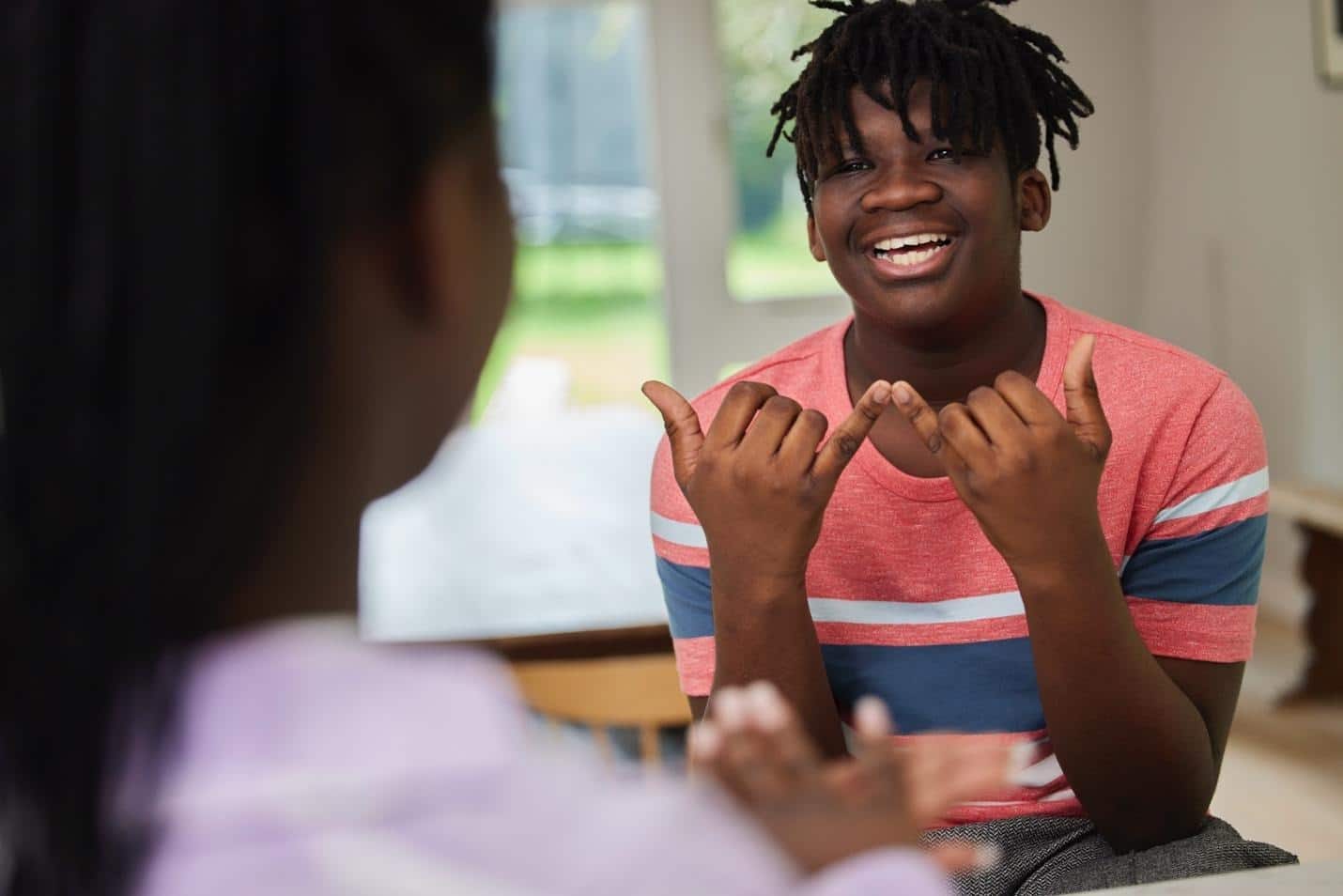
Helping Kids With Hearing Loss Stay Connected To Learning
Pediatric hearing loss can affect how children follow lessons, join conversations, and build language skills. With the right support, many children can stay active in school and continue learning with confidence.
Technology plays an important role by making speech clearer, reducing background noise, and helping kids take part in daily classroom activities.
Hearing Devices Support Communication
Hearing aids are often one of the first tools used for children with hearing loss. These devices make sounds louder and clearer, helping children hear teachers, family members, and classmates more easily. Some children may need cochlear implants if hearing aids are not enough. The right option depends on the child’s hearing level, age, and medical needs. Regular follow-up visits are important because hearing needs may change as children grow.
Classroom Audio Systems Reduce Noise
Classrooms can be loud and busy. Background sounds from other students, hallways, fans, and school equipment can make listening harder. Remote microphone systems can help by sending the teacher’s voice directly to a child’s hearing device. This can make lessons easier to follow, especially when the teacher is moving around the room or speaking from a distance.
Visual Tools Add Extra Support
Children with hearing loss often benefit from seeing information in more than one way. Captions on videos, written directions, visual schedules, and classroom slides can help students follow along.
These tools are especially useful during group lessons, announcements, or fast-moving classroom discussions. Visual support can also help children feel more independent during the school day.
Technology Needs Regular Checks
Hearing technology works best when it is maintained. Parents, teachers, and school staff should check batteries, microphones, chargers, and device fit often. A small equipment issue can make it harder for a child to hear important information. Clinics, schools, and audiologists may also work with audiology equipment suppliers to support hearing testing, device programming, and ongoing care.
Pediatric hearing loss does not have to limit a child’s ability to learn and participate. Hearing devices, classroom audio systems, captions, and visual tools can all help children stay connected to lessons and conversations. With steady support from families, schools, and healthcare providers, children with hearing loss can continue building skills, confidence, and strong communication habits. Look over the infographic below to learn more.




The integration of remote microphone systems and visual aids highlights how technology is crucial for educational equity. This concept of bridging physical gaps through reliable digital tools applies everywhere-from the classroom to any secure online platform, like what we build for a robust experience on a site like 3jl casino. Accessibility is paramount.
The point about remote microphone systems sending a teacher’s voice directly to a child’s hearing device shows how much classroom acoustics matter, especially when teachers move around. Captions, written directions, and regular equipment checks also provide practical layers of support instead of relying on a single device. Similar attention to clear instructions and accessible presentation would also be valuable for resources such as Verity Mod Wiki.