

Neck Pain After Impact: A Clear Guide To Managing Whiplash Recovery
Whiplash is a common injury that often follows car accidents or sudden impacts. It happens when the neck moves quickly back and forth, which strains muscles and soft tissue.
Symptoms can appear within hours or take a few days to develop. Many people feel pain, stiffness, and limited movement.
Recognizing Common Symptoms
Whiplash symptoms vary from person to person. Neck pain and stiffness are the most common signs. Some people also experience headaches, shoulder tension, or dizziness.
Pain may increase with movement or after long periods of sitting. In some cases, fatigue and difficulty concentrating can appear. These symptoms can affect daily routines and make simple tasks harder. Tracking changes in symptoms can help guide care decisions and show whether recovery is improving.
Seeking Medical Evaluation
A medical evaluation is important after a suspected whiplash injury. A healthcare provider can assess the severity and rule out more serious conditions. Imaging tests may be used if symptoms are severe or do not improve.
Early assessment helps create a clear treatment plan. This may include rest, physical therapy, or pain management strategies. Ignoring symptoms can lead to longer recovery times and increased discomfort.
Managing Pain and Supporting Healing
Most cases of whiplash improve with conservative care. Rest is important in the early stages, but complete inactivity for long periods can slow recovery. Gentle movement helps keep muscles flexible and reduces stiffness.
Applying ice during the first few days can help reduce inflammation. After that, heat may be used to relax tight muscles. Over-the-counter pain relievers may also provide relief when used as directed. Following recommended exercises can help restore strength and range of motion over time.
Returning to Daily Activities
Recovery often involves a gradual return to normal activities. Sitting posture, screen height, and sleeping position can all affect neck strain. Small adjustments can make a noticeable difference.
Avoiding sudden movements and heavy lifting in the early stages helps prevent further injury. As symptoms improve, activity levels can increase slowly.
Even everyday tasks may need to be adjusted. For example, someone dealing with paperwork related to an accident or browsing listings like recreational vehicles for auction may benefit from taking breaks to avoid strain.
When to Seek Additional Support
Some people experience symptoms that last longer than expected. Ongoing pain, reduced movement, or frequent headaches may require further care. Physical therapy can help address these issues through guided exercises and posture correction. If symptoms interfere with sleep or daily function, follow up with a healthcare provider. Early support can prevent long-term discomfort.
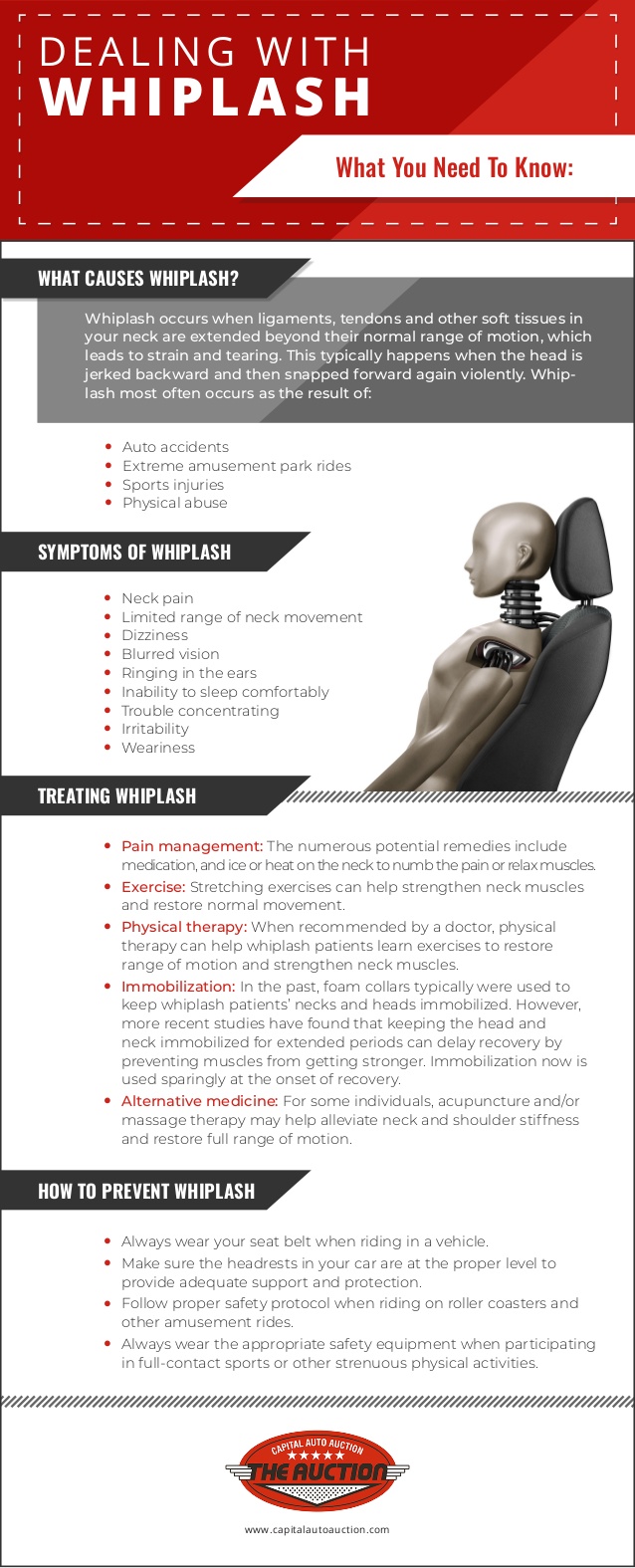
Whiplash recovery takes time and patience. With proper care and attention to daily habits, most people improve steadily. Recognizing symptoms early and following a structured plan can support healing and help restore comfort in daily life. Look over the infographic below to learn more.


https://shorturl.fm/9QD20
https://shorturl.fm/7ItQJ
Yesterday, while I was at work, my cousin stole my iphone and tested to see if it can survive a 40 foot drop, just so she can be a youtube sensation. My iPad is now destroyed and she has 83 views. I know this is entirely off topic but I had to share it with someone!
new online casino slots bad
Hi there, all the time i used to check webpage posts here in the early hours in the break of day, for the reason that i enjoy to gain knowledge of more and more.
best real money online casino slots
This was useful. It explains why certain adult sites feel simpler
to use
My web-site: https://xlilith.com/videos/28280/virgin-girl-touch-her-tight-and-wet-pussy/
What’s up, its fastidious post about media print, we all know media is a impressive source of facts.
在线购买大麻用于XXX成人色情视频
Hi there, after reading this remarkable post i am as well glad to share my knowledge here with colleagues.
在线购买大麻用于XXX成人色情视频
This information is invaluable. Where can I find out more?
adult xxx video porn site xxx sex video
Hello to all, it’s actually a pleasant for me to go to see this site, it includes precious Information.
kasiino pakkumised
Good article. It shows why I like well-organized 18+ video platforms
Feel free to visit my site – https://xlilith.com/videos/40647/obedient-slave-girl-eating-a-huge-bbw-ass/
Какие протоколы шифрования использует современный [url=https://vpn-1.ru]vpn[/url]?
[url=https://kapsulnyj-dom-1.ru]Капсульный дом[/url] — насколько он энергоэффективен и дорого ли его отапливать?