

Feeding A Growing Mind: Nutrition And The Developing Brain
A child’s brain develops rapidly during the early years, creating and refining connections that support movement, language, memory, attention, and learning. Nutrition supplies the energy and raw materials involved in that process.
No individual food can determine how a child’s brain develops, but an appropriate diet can provide the protein, fats, vitamins, and minerals needed during periods of substantial physical and neurological growth.
The Brain Needs a Steady Supply of Energy
The brain requires considerable energy during childhood. Regular meals and snacks can help children meet their energy and nutrient needs throughout the day, especially because young children may be unable to eat large amounts at one sitting.
Breakfast can contribute important nutrients after the overnight period without food. Rather than concentrating on one supposedly ideal breakfast, families can combine foods that provide carbohydrates, protein, healthy fats, and important micronutrients.
Consistent meal routines also give children repeated opportunities to encounter different foods. Young children may initially reject unfamiliar tastes or textures, so exposure over time can be more realistic than expecting immediate acceptance.
Several Nutrients Have Important Jobs
Protein supplies amino acids the body uses to build and maintain tissues. Eggs, dairy products, beans, lentils, fish, poultry, meat, and other foods can contribute protein to a child’s diet.
Iron is especially important during periods of rapid growth because it is involved in oxygen transport and neurological development. Iron-rich choices include meat, iron-fortified cereals, beans, and lentils. Pairing plant sources of iron with foods containing vitamin C can help the body absorb the mineral.
Dietary fats also have an important place in early childhood nutrition. Certain fatty acids are involved in brain and nervous system development, which is one reason young children should not simply follow eating patterns created for adults trying to reduce fat intake.
Child Care Meals Matter Too
Children who spend much of the day outside the home may eat several meals and snacks in child care settings. That makes food provided during those hours a meaningful part of their overall diet.
Centers working with preschool catering services or preparing meals on-site can consider variety, portion sizes, allergy management, and the nutritional quality of foods served throughout the week. Families and caregivers can also communicate about dietary restrictions and feeding concerns so children receive consistent support.
The eating environment matters as well. Regular meal periods without pressure can give young children time to recognize hunger and fullness cues while practicing age-appropriate feeding skills.
Deficiencies Deserve Professional Attention
Selective eating is common in childhood, but highly restricted diets can sometimes make it harder to obtain certain nutrients. Concerns about poor growth, persistent fatigue, feeding difficulties, or an extremely limited diet should be discussed with a pediatrician or another qualified healthcare professional.
Supplements should not automatically replace food variety. A clinician can determine whether testing or supplementation is appropriate based on the child’s individual circumstances.
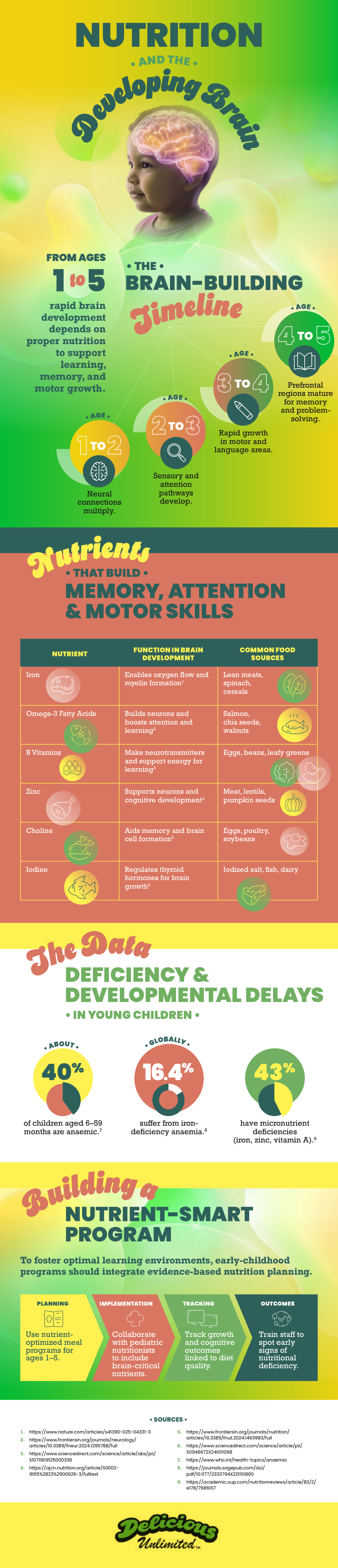
Nutrition supports brain development through everyday eating patterns rather than a single “brain food.” Regular meals, varied nutrient sources, adequate energy, and attention to possible deficiencies give the developing body access to materials it needs during a period of rapid growth. Check out the infographic below for more information.






I’ve been playing here for a few weeks now and the payouts are surprisingly fast. Definitely one of the smoother experiences I’ve had lately. Check out 917betcc for a good time.
Super easy to register and start playing. No complicated steps, just pure fun and excitement. Join no1jililogin
Finally found an app that actually works without lagging. The graphics are great and winning feels so much easier here. Highly recommend downloading luckywingameapk.
Great insights! Any recommended reading about peptide purity testing?
Solid platform with a great vibe. I appreciate the transparency and the fair play. If you are searching for a reliable spot, phtayacom is definitely it.