
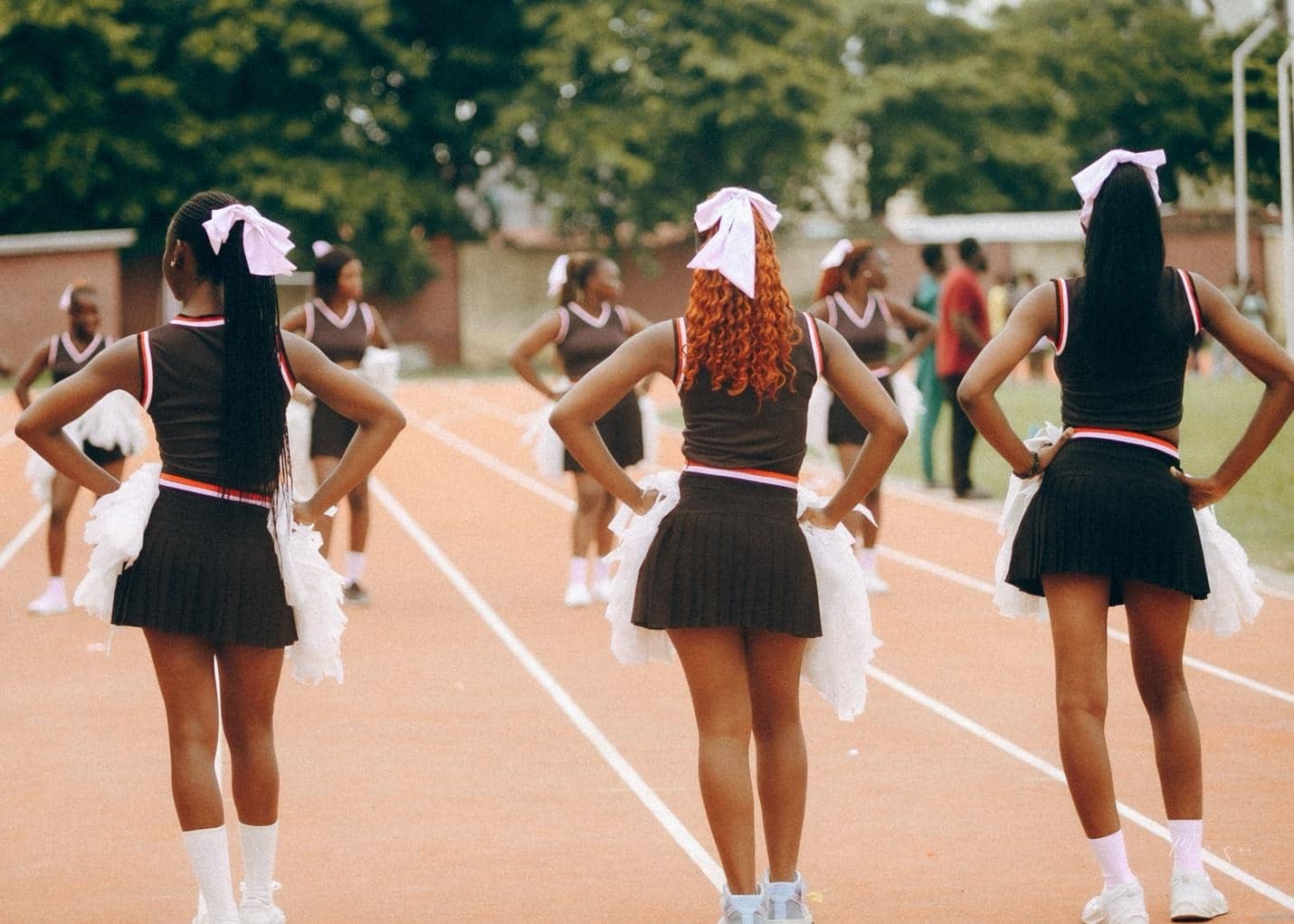
Staying Strong In The Heat: A Youth Cheer Hydration Guide
Cheerleading can demand repeated bursts of intense activity, including tumbling, jumps, stunts, and dance routines. Outdoor practices, summer camps, and early-season training can add heat and humidity to that physical workload.
Young athletes are still developing their ability to recognize physical warning signs, so coaches and parents play an important role in managing hydration, rest, and heat exposure before symptoms become serious.
Hydration Starts Before Practice
Waiting until an athlete feels very thirsty can make it harder to keep up with fluid needs during strenuous activity. Young cheerleaders should arrive at practice already hydrated and have regular opportunities to drink throughout the session.
Water is appropriate for many practices. Longer sessions, particularly those involving substantial sweating or hot conditions, may call for beverages containing electrolytes and carbohydrates. The appropriate choice depends on exercise duration, intensity, environmental conditions, and the athlete.
Scheduled drink breaks can be more reliable than expecting athletes to request water themselves. Coaches should also make bottles easy to access so getting a drink does not require leaving the practice area for an extended period.
Heat Changes the Practice Plan
Temperature alone does not tell the full story. Humidity, direct sunlight, limited airflow, and the intensity of the workout can all affect heat stress.
Teams need time to adjust when practices move into hotter conditions. Gradually increasing activity gives athletes a chance to acclimatize instead of immediately completing long, intense sessions in the heat.
Practice structure can change too. Coaches can move strenuous drills away from the hottest part of the day, increase rest opportunities, or use shaded and air-conditioned areas for recovery when available.
Clothing Can Affect Heat Stress
Cheer clothing needs to allow movement, but heat should also factor into practice attire. Heavy layers and clothing that restricts heat loss can make hot-weather training less comfortable.
Competition apparel does not necessarily need to be worn during every practice. Teams purchasing items such as dance team uniform packages can still establish separate clothing expectations for conditioning sessions and outdoor rehearsals.
Athletes should also have access to shade during breaks. Simply stopping exercise does not provide the same relief if the athlete remains in direct sunlight.
Know When Symptoms Require Action
Heat illness can progress quickly. Coaches, parents, and athletes should pay attention to unusual weakness, headache, nausea, dizziness, heavy sweating, muscle cramps, or declining coordination.
An athlete developing symptoms should stop activity and move to a cooler location. Confusion, loss of consciousness, seizures, or other signs of severe central nervous system dysfunction can indicate heat stroke, which is a medical emergency requiring immediate emergency care and rapid cooling.
Symptoms should never be dismissed as a lack of effort. A cheerleader who suddenly cannot perform familiar skills may be experiencing physical distress rather than simply having a difficult practice.
Safe summer cheer practices depend on preparation before athletes become overheated. Arriving hydrated, providing regular drink and rest opportunities, adjusting training for weather conditions, and responding quickly to warning signs can reduce heat-related risk. Look over the infographic below for more information.







Super friendly support team and the loading speed is top notch. Everything just works perfectly on vnvv88vv.
Well written and genuinely helpful, thank you.
Every time I need a reliable place to place my bets I return to this fantastic portal. The variety of markets is impressive and the odds stay consistently competitive. I feel completely confident knowing my stakes are handled with total professionalism. Take a look at teapuestoapuestatotal and discover why it keeps me smiling.